
Dress Smart, Hurt Less: Winter Wardrobe Secrets from a Chiropractor
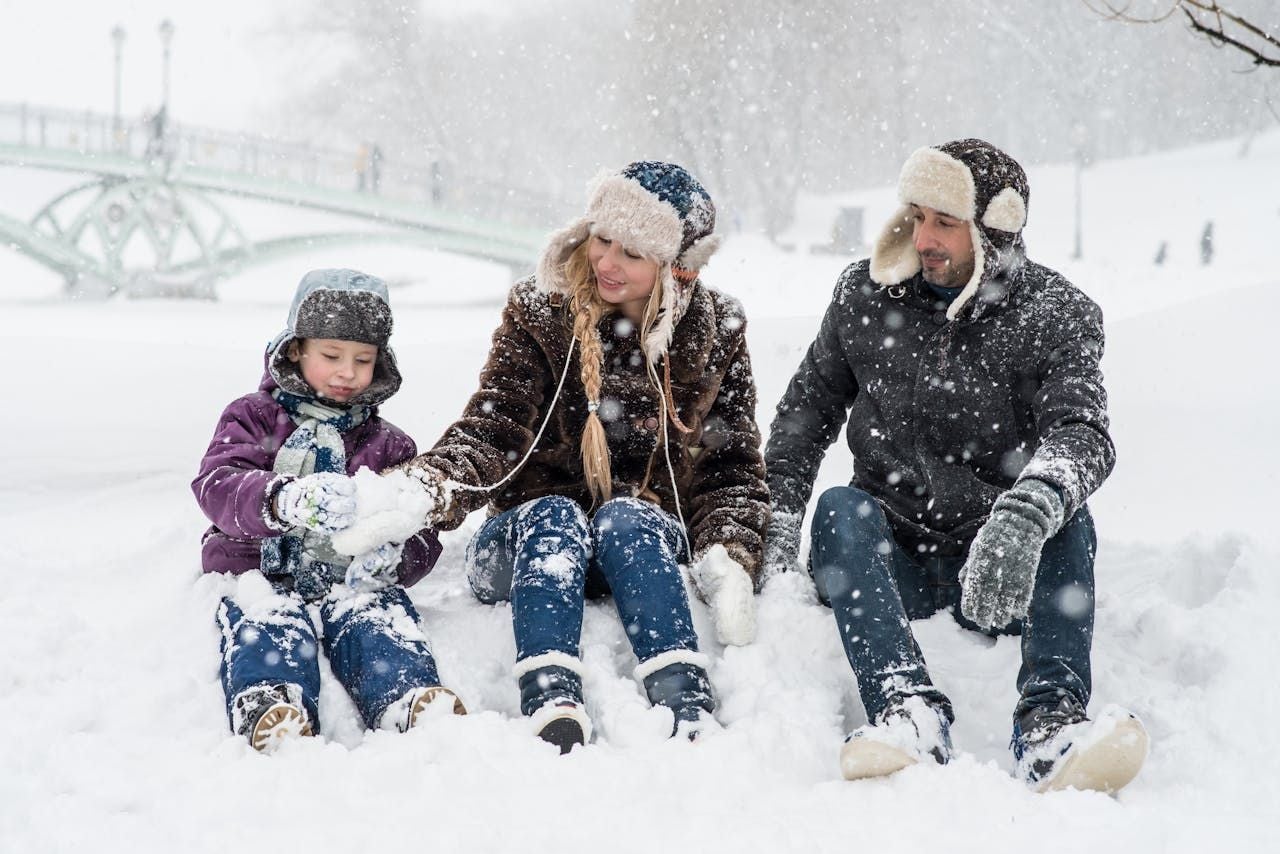 "Dress Smart, Hurt Less: Winter Wardrobe Secrets from a Chiropractor")
TL;DR: Winter Wardrobe Secrets
- Footwear First: Wear supportive, non-slip boots to prevent falls and protect your spine.
- Layer Smart: Use moisture-wicking base layers, flexible insulation, and windproof outerwear for warmth without restricted movement.
- Accessorize for Health: Scarves, hats, and gloves keep muscles relaxed and prevent tension headaches.
- Move Smart: Always use proper posture (bend knees, lift with legs) when shoveling, decorating, or carrying heavy bags
- See your chiropractor if pain persists
The winter holidays are a magical time filled with festive lights, warm drinks, and cherished moments with loved ones. But for many, the most familiar guest this time of year isn't Santa Claus; it's the unwelcome arrival of nagging back pain, a stiff neck, or sore shoulders - especially when we're lugging heavy bags through shopping malls and airports.
As your local Mississauga chiropractor, I'm here to share a secret: how you dress for the cold can make a world of difference in keeping your muscles and joints happy. Let's dive into how you can dress smart to stay pain-free and fully enjoy the magic of the season —without sacrificing style or mobility.
Why Winter Clothing Matters for Your Muscles and Joints
Cold weather can wreak havoc on your body. Muscles tighten up, joints stiffen, and poor posture from heavy coats or improper footwear can lead to unnecessary strain. For women (and men) in their 30s to 70s — whether you're chasing after kids, grandkids, traveling, or hosting holiday dinners — these issues can turn festive fun into a literal pain.
The key is to choose clothing and fabrics that keep you warm and allow for easy movement. Here's how:
1. Support from the Ground Up: Your Footwear is Key
Your footwear sets the foundation for your entire body — literally. A sudden slip or fall can cause a jarring impact through your entire spine, leading to anything from a minor misalignment, to discomfort in your knees, hips, and lower back, or to a more serious injury.
The Chiropractic Prescription for Shoes:
Look for boots with good arch support, a low heel, and non-slip soles.
- Traction is Non-Negotiable: Look for winter boots with deep, rugged, rubberized treads that can grip icy and snowy surfaces. Use grippers or crampons if you'll be walking on ice.
- Prioritize Ankle Support: A boot that holds your ankle secure helps prevent painful twists and sprains that can have a cascading effect on your posture and alignment.
- Keep Them Warm and Dry: Cold, wet feet cause your entire body to tense up. Insulated, waterproof boots ensure your foundation is stable and comfortable.
Pro Tip: Be strategic. Keep your stylish shoes for the office or party indoors, and change into your supportive, grippy boots for the commute, shopping trips, and shoveling. Your back will thank you later.
2. Master the Art of Layering
It's tempting to just throw on the bulkiest sweater you own and call it a day. However, that one heavy layer can be a hidden culprit for pain. Bulky clothing restricts your natural range of motion, forcing you to move stiffly. You might find yourself compensating by straining your back to lift a suitcase or using awkward shoulder movements to de-ice your car.
The Chiropractic Solution: Embrace the layering system. This isn't just for avid hikers; it's a biomechanically sound way to stay warm and mobile.
- Base Layer: Moisture-Wicking and Snug Start with a thin, breathable layer that wicks away sweat. Fabrics like merino wool or thermal cotton are ideal — they keep you dry and warm without bulk. Avoid plain cotton, which absorbs moisture and can leave you feeling damp and chilled
- Insulating Layer: Cozy and Flexible Next, add a sweater or fleece made from wool, cashmere, or polar fleece. These materials trap heat while still allowing you to move freely. Fleece is especially great for outdoor activities — it's lightweight, soft, and dries quickly
- Outer Layer: Windproof and Waterproof Your jacket should shield you from wind and snow. Look for options with a bit of stretch or adjustable fits, so you're not restricted when carrying bags, decorating, or playing with the kids. A well-fitted parka or trench coat can keep you warm without weighing you down.
This system provides superior, adaptable warmth and, most importantly, allows your body to move naturally, preventing the stiff, robotic movements that lead to muscle strain.
Pro Tip: Avoid overly tight sleeves or hems that restrict movement. You want to be able to bend, lift, and reach without straining your shoulders or back.
3. Head, Neck & Hands: Accessorize for Spinal Health
Your core and legs aren't the only areas that need attention. When we get cold, our body's instinct is to protect its core. We hunch our shoulders, raise them toward our ears, and tuck our chin — often called the "turtle neck posture." This position places tremendous strain on muscles in your neck and upper back, and can be a primary source of tension headaches and stiffness.
Accessories Recommendations:
- Your Scarf is a Therapeutic Tool: A warm scarf does more than just look festive. It keeps the delicate muscles of your neck and upper back warm and relaxed, directly counteracting the urge to hunch. It's one of the simplest and most effective ways to prevent neck pain.
- Never Underestimate a Good Hat: A significant amount of body heat is lost through your head. By wearing a hat, you help your entire body stay warm and loose, preventing the overall muscle tension that starts with feeling cold.
- Warm Hands, Relaxed Shoulders: Have you ever noticed how you shrug when your hands are cold? This constant tension in the shoulders can lead to knots and pain. A good pair of gloves breaks this cycle, allowing your shoulders to stay in a relaxed, neutral position.
Posture Tips for Holiday Activities
Shoveling Snow
- Warm up first with light stretches.
- Keep your back straight, bend your knees, and lift with your legs.
- Push snow instead of lifting it when possible, and take frequent breaks.
- Stay hydrated.
Decorating or Cooking
- Use a step stool to avoid overreaching.
- Take breaks to stretch your neck, shoulders, and back.
Sitting for Long Meals
- Sit with your back supported and feet flat on the floor.
- Stand up and move around every 30 minutes to prevent stiffness.
When in Doubt, Check In with Your Chiropractor
Even with the best precautions, winter can still leave you feeling stiff or sore. If you experience persistent pain, a chiropractor may help by:
- Relieving muscle tension and joint stiffness.
- Improving mobility and posture.
- Offering personalized advice for staying active and pain-free during the holidays
Pro Tip: A chiropractic adjustment may help keep your spine aligned, improve flexibility, and reduce muscle tension — allowing you to move through the season comfortably.
Final Thoughts: Stay Warm, Move Smart, Enjoy the Season
This winter, dress for both comfort and style. Choose layers that keep you warm without restricting movement, wear supportive shoes, and be mindful of how you carry and lift. By taking care of your muscles and joints, you'll be able to focus on what really matters — making memories with loved ones.
Need more tips? Share your favorite winter dressing hacks in the comments, or book a chiropractic check-up to start the season pain-free!
Don't let pain be your holiday souvenir. Schedule an appointment with Dr. Lanoue today - your local Mississauga chiropractor - and let's work together to get you back to feeling your best.
Wishing you a healthy, joyful, and pain-free holiday season!
Better health may be for you: Call Dr. Lanoue
 "Dr. Serge Lanoue") Author:Dr. Serge Lanoue
Author:Dr. Serge LanouePost comment