
How to Shovel Snow Without Wrecking Your Back: A Chiropractor’s Guide
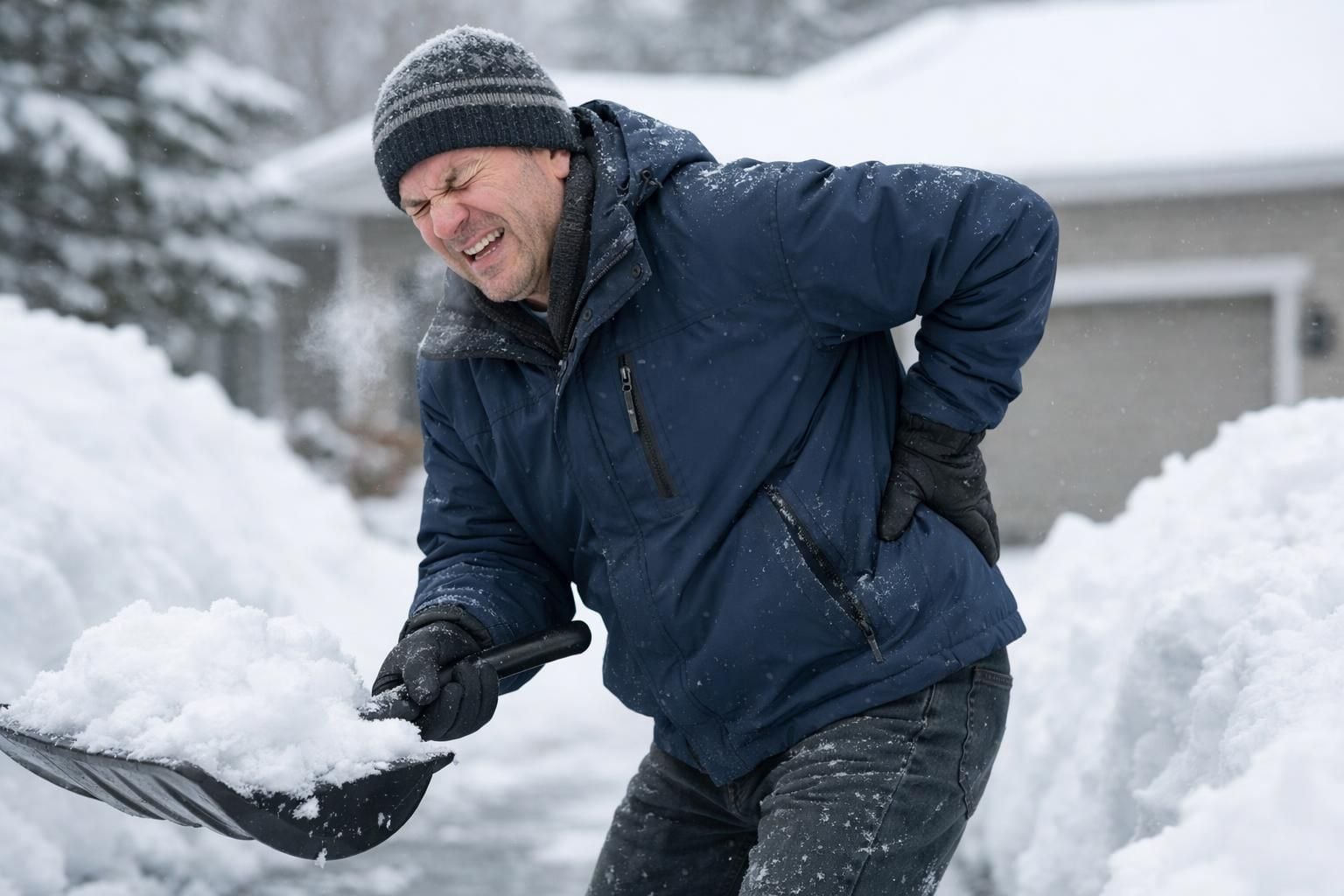 "How to Shovel Snow Without Wrecking Your Back: A Chiropractor’s Guide")
TL;DR:
- Snow shoveling after heavy snowfall places intense strain on the back, neck, shoulders, and joints—especially in cold conditions.
- Common injuries include lower back strains, disc flare-ups, muscle spasms, and aggravated old injuries.
- Proper warm-up, safe lifting technique, pacing, and pushing (instead of lifting) snow can help prevent injury.
- If pain develops, early care—including chiropractic treatment—can speed recovery and prevent long-term problems.
“I was fine until I shoveled.”
After the recent record-breaking snowfall in Mississauga, many residents found themselves spending hours clearing driveways and sidewalks. While it may have felt unavoidable, snow shoveling after a major storm is one of the most common triggers for back, neck, and shoulder injuries chiropractors see each winter. Heavy, wet snow, cold temperatures, and rushed movements create the perfect conditions for strains and flare-ups—often leaving people sore or injured days later.
At Dr. Lanoue Chiropractic in Mississauga, we frequently hear patients say, “I was fine until I shoveled.” Let’s explore:
- why shoveling is so demanding on the body
- the most common injuries that result
- how to reduce your risk
- what to do if pain shows up afterward.
Why Snow Shoveling Is So Hard on the Body
Snow shoveling places unique stress on the musculoskeletal system because it combines several risk factors at once:
- Cold weather causes muscles and joints to stiffen
- Sudden exertion without a warm-up shocks the body
- Repetitive bending, lifting, and twisting overloads the spine
- Wet snow is much heavier than it looks
- Fatigue increases poor movement patterns and injury risk
For many people, shoveling is the most intense physical activity they perform all winter—but it’s treated like a chore, not like exercise.
Common Snow Shoveling Injuries Chiropractors See
After major snowfalls, chiropractors commonly treat:
- Lower back strains and sprains
- Disc irritation or flare-ups of existing disc issues
- Neck and shoulder pain
- Muscle spasms
- Wrist, elbow, hip, and knee strain
- Aggravation of old injuries
These injuries often occur when people twist while lifting, lift too much at once, or rush to “just get it done.”
Snow Shoveling and Heart Health: More Than Just Muscle Strain
It’s important to recognize that snow shoveling doesn’t just strain your muscles — it can put significant stress on your heart too. Research shows that the sudden exertion of shoveling heavy snow in cold conditions can raise your heart rate and blood pressure rapidly, increasing the risk of a heart attack or cardiac event. Cold air causes blood vessels to constrict, forcing your heart to work harder to circulate blood, and studies have even found that heavy snowfall is linked with higher rates of hospitalization and death from heart attacks in men following snow removal efforts. (Healthline article)
Because of this, people with existing heart conditions, high blood pressure, or who haven’t been physically active should be especially cautious — or consider alternative ways to clear snow. (EatingWell article)
How to Prevent Injury Before You Shovel Snow
A few simple steps can significantly reduce your risk:
Warm up first
Spend 5-10 minutes gently moving your spine, hips, and shoulders. Shoveling should be treated like a workout.
Use proper lifting technique
- Bend at the hips and knees, not the lower back
- Keep loads small
- Hold the shovel close to your body
- Avoid twisting while lifting
Push snow when possible
Pushing places far less stress on the spine than lifting.
Take breaks
Short breaks help maintain proper form and prevent fatigue-related injuries.
Wear proper footwear
Good traction reduces the risk of slipping and sudden strain.
What to Do If You’re Hurt After Shoveling
If pain starts after shoveling, don’t ignore it:
- Stop the activity before pain worsens
- Use ice for sharp or inflamed pain during the first 24-48 hours
- Use heat for muscle tightness or stiffness once inflammation settles
- Keep moving gently — complete rest often slows recovery
- Monitor symptoms that worsen, linger, or spread
Pain that lasts more than a couple of days or limits movement should be professionally assessed.
When to See a Chiropractor in Mississauga
You should consider chiropractic care if you experience:
- Pain lasting more than a few days
- Sharp, stabbing, or shooting pain
- Reduced range of motion
- Pain radiating into the arms or legs
- Recurring winter injuries
- A history of back or neck problems
At Dr. Lanoue Chiropractic, care focuses on reducing pain, restoring mobility, and helping prevent repeat injuries—so you can stay active throughout the winter.
Frequently Asked Questions (FAQ)
Can shoveling snow really cause serious back injuries?
Yes. Repeated lifting, twisting, and sudden exertion can strain muscles and irritate spinal discs, particularly in cold conditions.
Why does my back hurt more after shoveling than after exercising?
Shoveling involves awkward, repetitive movements without a warm-up, while exercise is usually more controlled and balanced.
Is it better to push snow or lift it?
Pushing snow is generally safer and places less stress on the spine than lifting.
Should I use ice or heat after shoveling?
Ice is best for new pain or inflammation in the first 24-48 hours. Heat works better for muscle stiffness or lingering tightness afterward.
Might a chiropractor help with snow shoveling injuries?
Yes. Chiropractic care may help reduce pain, improve mobility, and may help prevent minor strains from becoming long-term issues.
Should I wait until the pain is severe before booking an appointment?
No. Early care often leads to faster recovery and better outcomes.
Stay Ahead of Winter Injuries
Snow shoveling doesn’t have to derail your winter. With proper preparation, safe technique, and early care, most injuries can be avoided—or addressed before they become chronic.
If you’re experiencing pain after shoveling, or want guidance on preventing winter injuries, Dr. Lanoue Chiropractic in Mississauga is here to help.
Better health may be for you: Call Dr. Lanoue
 "Dr. Serge Lanoue") Author:Dr. Serge Lanoue
Author:Dr. Serge Lanoue| Tags:Wrist Pain and Strainschiropractic treatmentlow back painBack PainDisc HerniationJoint PainKnee PainShoulder Pain |
Post comment